
Our Work
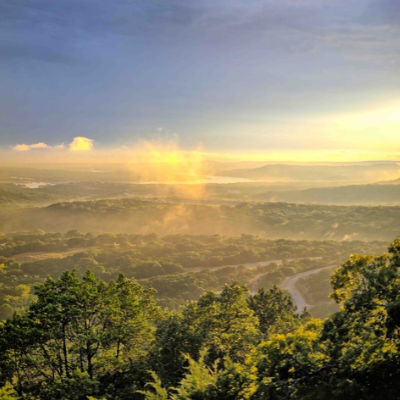
Land
HCA’s Land Program seeks to increase private land stewardship and permanent land conservation across the Hill Country, and works with regional land trusts to educate owners about conservation easements, track conservation metrics, and consider conservation priorities.
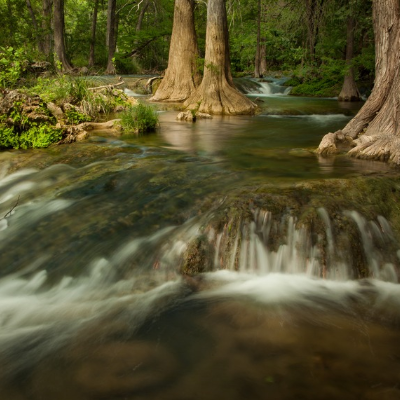
Water
HCA’s Water Program assists grassroots groups that champion water stewardship in their communities, advocates for policies that protect groundwater and surface water, and promotes resilient water supplies through the advancement of One Water projects.
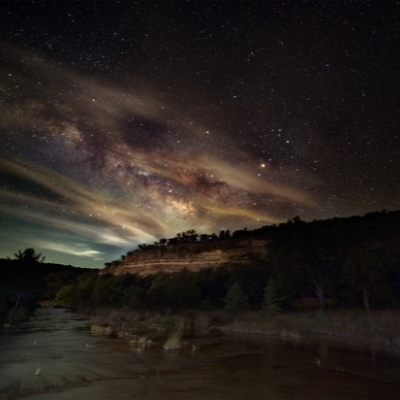
Night Sky
HCA’s Night Skies Program helps Hill Country counties and cities minimize the impacts of light pollution through education and outreach, the establishment of outdoor lighting policies, and the recognition and celebration of certified Dark Sky Places in our region.

Communities
HCA’s Communities Program builds connections across county lines, supporting rural leaders in protecting the unique character of their communities while promoting innovative approaches to building healthy, vibrant communities throughout the Texas Hill Country.
The Latest
Zoning and “Bigness”
Back in April, Daniel Herriges at Strong Towns wrote an excellent article called “Pretextual Planning is Absolutely Everywhere.” What does that mean? Essentially, the article is about zoning rules that are written into the code not because the requirement itself is...
EPA recognizes Austin Water for efforts to restore ecosystems
The U.S. Environmental Protection Agency (EPA) has recognized Austin Water in this year’s Outstanding Green Infrastructure and Low Impact Development Competition. Austin Water’s Wildlands Conservation Division received First Place in the People’s Choice Category for a...
Boerne mayor bracing for impact of approaching San Antonio sprawl
That continued explosive development northwest of San Antonio comes at a cost. And Boerne, a quaint town grappling with its own growing pains, could pay a steep price. “Candidly, most of the growth that’s going on is outside of the city limits of Boerne. There are no...
Feral pigs release 1.1 million cars-worth of planet-warming carbon dioxide every year
As Twitter user Willie McNabb tried to warn in 2019, the threat of feral hogs is real—whether their numbers range from 30 to 50 in the backyard or millions across America. The pigs have damaged virtually every ecosystem they have invaded, often with the help of...
Solarization on the Water Quality Protection Lands and how you can do this at home
On the Water Quality Protection Lands, we’ve been experimenting with soil solarization to control invasive grasses in summer (June-August). This process uses solar radiation to heat the roots and seed of herbaceous plants to such high temperatures that they are no...
Colorado River forecasts not a ‘crystal ball’
Every month the Bureau of Reclamation attempts to peer two years into the future of the Colorado River and its reservoirs. Reclamation’s 24-month study is a staple forecasting product for the federal agency that manages a chain of dams in the watershed, including...